
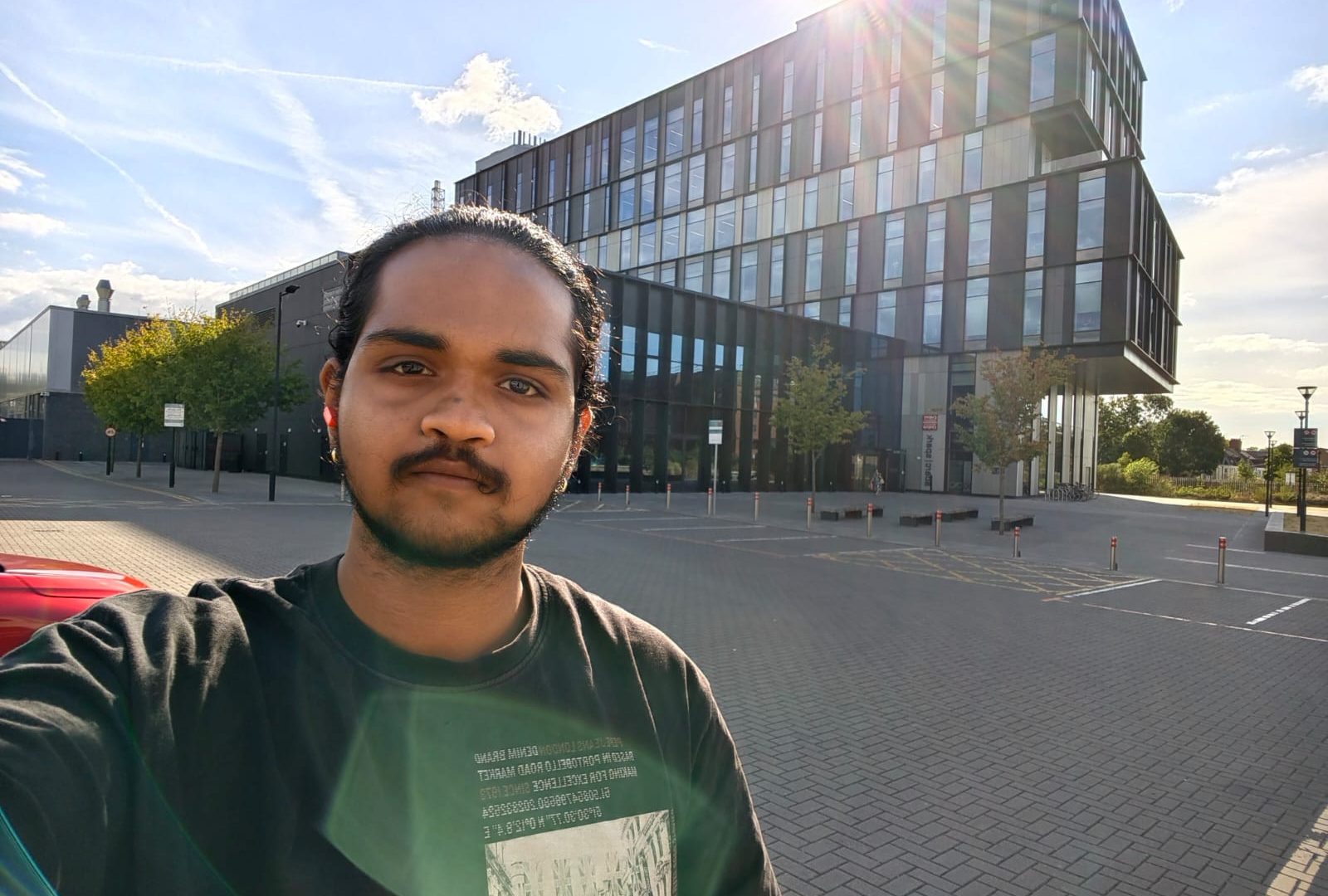
Alik Saha
MSc Psychology Student, Cardiff University
Placement Student, Centre for Adult Social Care Research (CARE)
I joined the Centre for Adult Social Care Research (CARE) as an MSc Psychology student, and it has been a rewarding experience that has helped develop my personal and professional skills. Completing this three-month placement enabled me to apply my academic knowledge and lived experience as a frontline care worker to a real-world research setting while contributing to research on social care workforce management and care provision in Wales.
Although I initially only sought practical research experience, I quickly realised CARE is much more than a research centre. It is a collaborative environment that brings together researchers, stakeholders, practitioners, policymakers, academics, and people with lived experience to improve adult social care services and outcomes.
Contributing to Impactful Research
I was involved in the Have Your Say 2026 Survey, an annual survey led by CARE for Social Care Wales and the Welsh Government. This national survey provides valuable insights into the social care workforce. Being part of this project gave me first-hand experience of working within a multidisciplinary team and collaborating with external stakeholders. It also showed me how research can amplify real-life voices and support evidence-based decision-making across the social care sector.
Working alongside Professor Paul Willis, Dr Katy Huxley, and Dr Richard Gater, I developed confidence in analysing feedback from underrepresented groups who play a key role in delivering quality care. Transforming mixed-methods data into meaningful insights deepened my understanding of how research can influence policy, practice, and service improvement.
Alongside these research activities, I strengthened my understanding of research methods beyond the classroom. Engaging with professionals, advisory group members, sector representatives, and people with lived experience of accessing care provided valuable insight into the communication skills and professional standards needed in this field.
Developing Research and Professional Skills
The placement allowed me to strengthen skills in data handling, qualitative analysis, critical thinking, and professional communication. I also further developed transferable skills including teamwork, time management, problem-solving, and digital literacy.
As a psychology student with experience in frontline care provision, I found many connections between psychology and social care research, particularly in understanding people’s experiences, behaviours, and wellbeing. This experience has increased my interest in pursuing a career in research and policy development that contributes to wider social issues and community wellbeing.
A Supportive and Collaborative Environment
I greatly valued the welcoming and supportive atmosphere at CARE. My supervisors encouraged discussion, welcomed feedback and ideas, and made me feel valued throughout the placement.
The guidance I received was invaluable in improving both my work and my career development. Senior colleagues consistently shared their expertise and encouragement, helping to create an environment where learning could thrive. The placement also gave me opportunities to engage with the wider research community at Sbarc|Spark, connect with lived experience groups, and observe collaboration across the sector nationally and internationally. These experiences helped me grow both personally and professionally while strengthening my confidence in research-focused career pathways.
Looking Ahead
I am grateful for the support, supervision, and opportunities provided by CARE. This experience has strengthened my research skills, broadened my understanding of adult social care, and deepened my appreciation of the role research plays in improving people’s lives.
It has also reinforced the importance of listening to, analysing, and representing people’s experiences to inform service improvement and delivery. This is a lesson I will carry with me throughout my future career as I pursue research and policy development with renewed interest.
Finally, I would like to thank everyone at CARE for their support throughout my placement. It has been a privilege to contribute to the centre’s work, and I look forward to following the impact of its research in the future.
